Italy · Puglia · Salento and Valle d’Itria
Puglia. A region that cannot be told through one coast.
White towns, red earth, ancient olive trees and two seas. Our journey from a palazzo in the deep south to masserie below Ostuni.
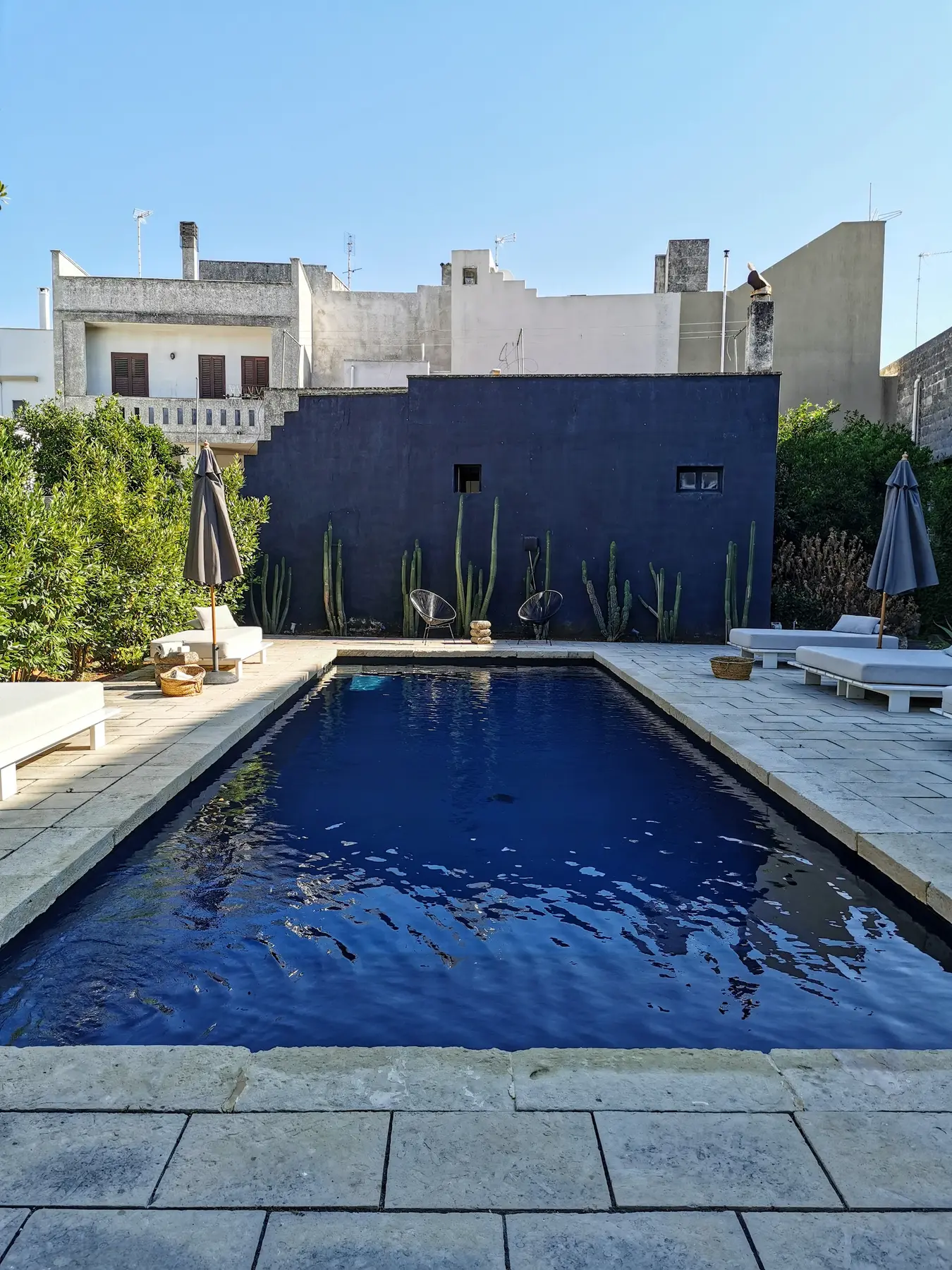
Puglia without shortcuts
One region. Several entirely different journeys.
- Where to begin
- Salento in the south, then Valle d’Itria
- How long
- 7–10 nights across two bases
- Best rhythm
- Town in the morning, sea after lunch, a long table at night
- For whom
- Architecture, swimming, food and slow roads
Puglia is not simply the heel of Italy. It is the feeling that every few kilometres alter the colour of the stone, the shape of the coast and the pace of the day.
In the far south we found Gagliano del Capo and Palazzo Daniele, where history and contemporary art meet without becoming scenery. Further north the land opens into olive groves, trulli and the white towns of Valle d’Itria. We would never compress Puglia into one hotel or one long weekend. Its magic lives between two bases, two coasts and the stops that were never on the plan.
A landscape in two acts
First Salento. Then olive trees and white towns.
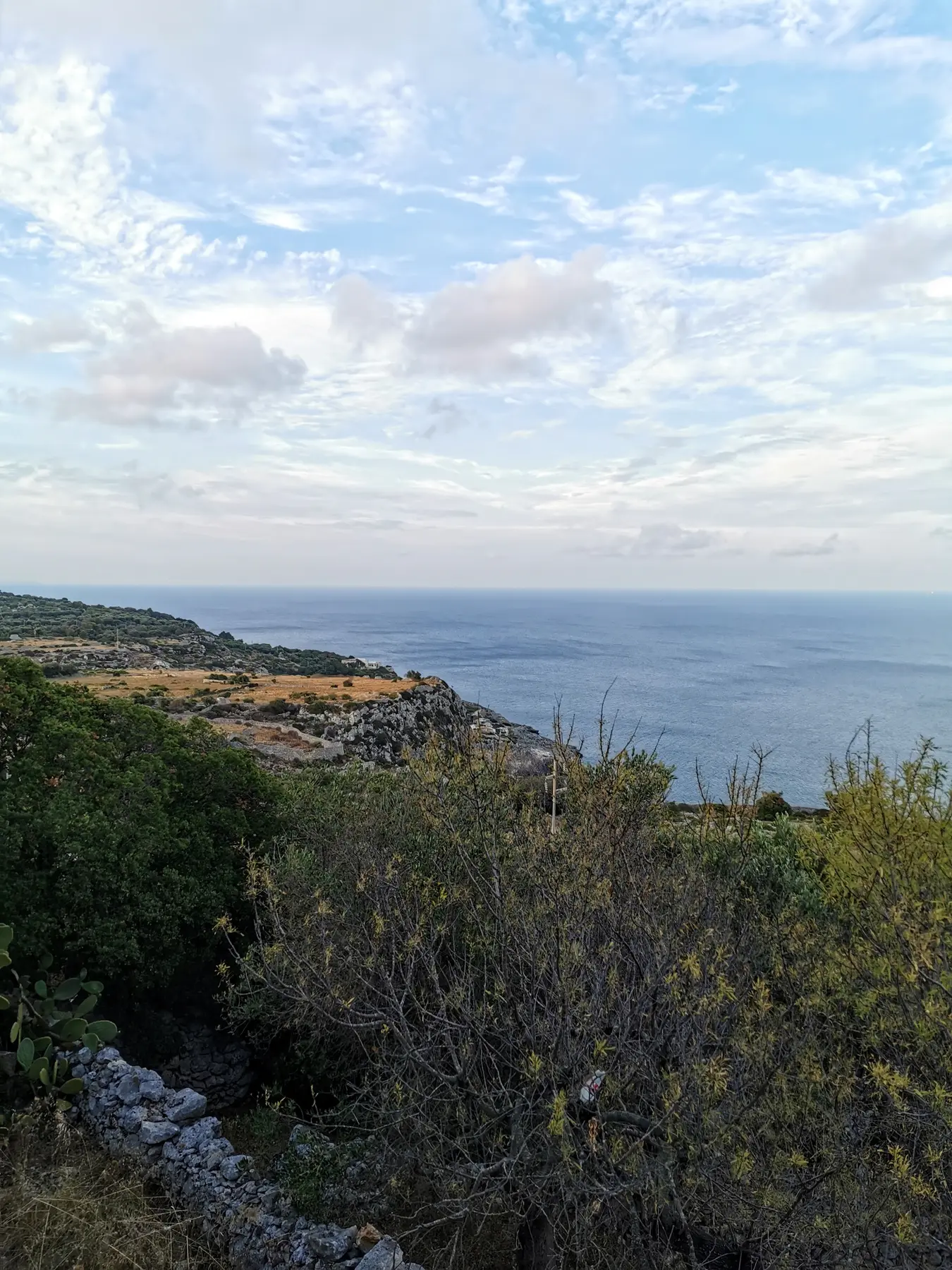
Salento is the slender southern peninsula between the Adriatic and Ionian seas. The east can be rocky, translucent and wild; the west softer, sandier and made for long sunsets. Small towns, Baroque Lecce and dry-stone walls fill the land between them.
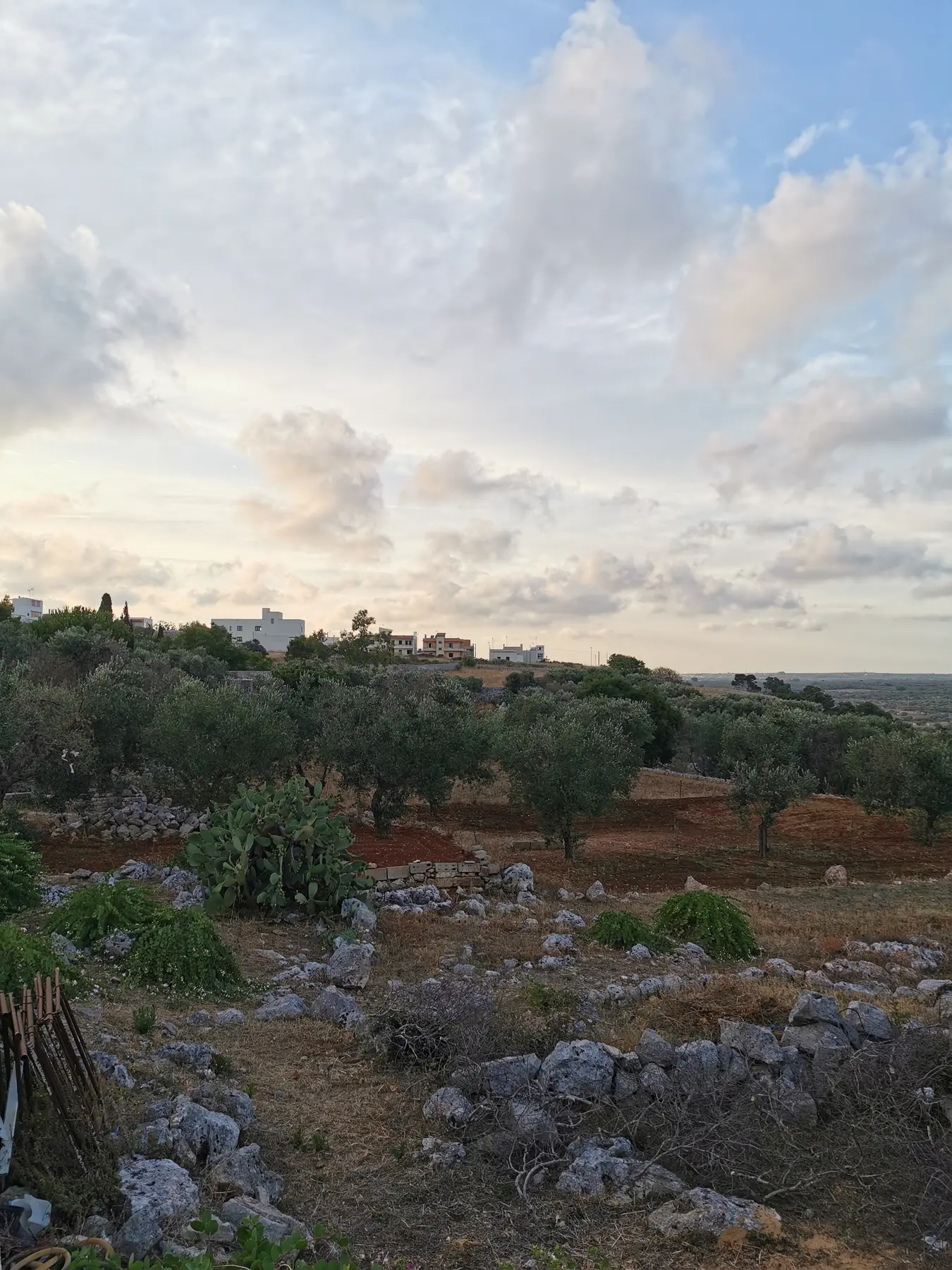
Valle d’Itria feels more composed but no less genuine. Ostuni shines from its hill, Locorotondo circles in on itself and masserie, trulli, vines and olives fill the space between. Choose one town in the morning, one table along the road and leave the rest to the landscape.
Where we stopped — and what is on our radar
Four addresses. Four versions of the south.
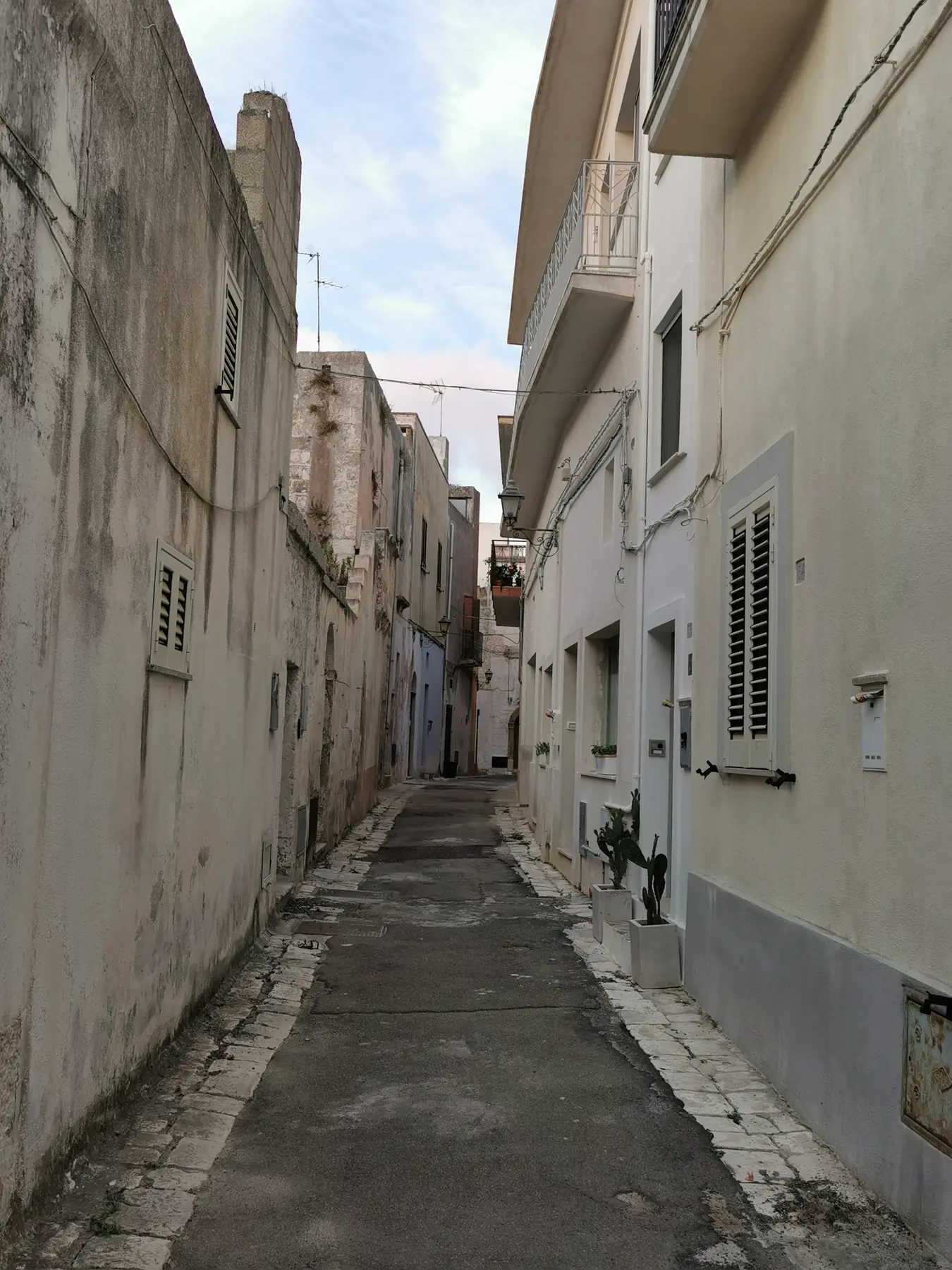
Palazzo Daniele and Masseria Moroseta are connected to our own photographs and memories. Calderisi and Il Salto are carefully selected for a future journey — not presented as personal experience.
Gagliano del Capo · our choice
Palazzo Daniele
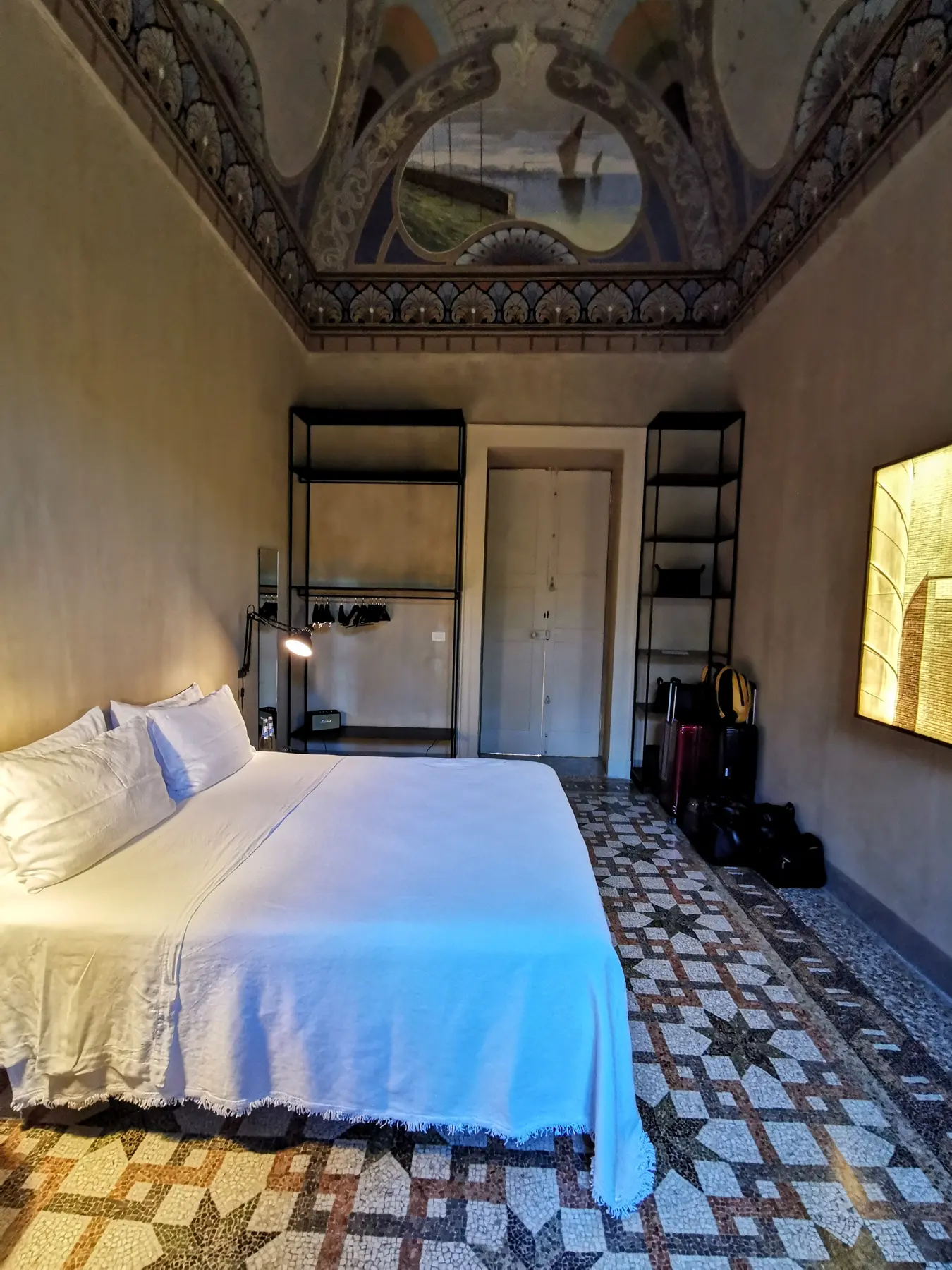
A 160-plus-year-old aristocratic palazzo with original frescoes and mosaics, contemporary art, an orange garden and a kitchen where local women cook from Salento traditions. Grand yet deeply personal.
Official website ↗Ostuni · our photographs
Masseria Moroseta
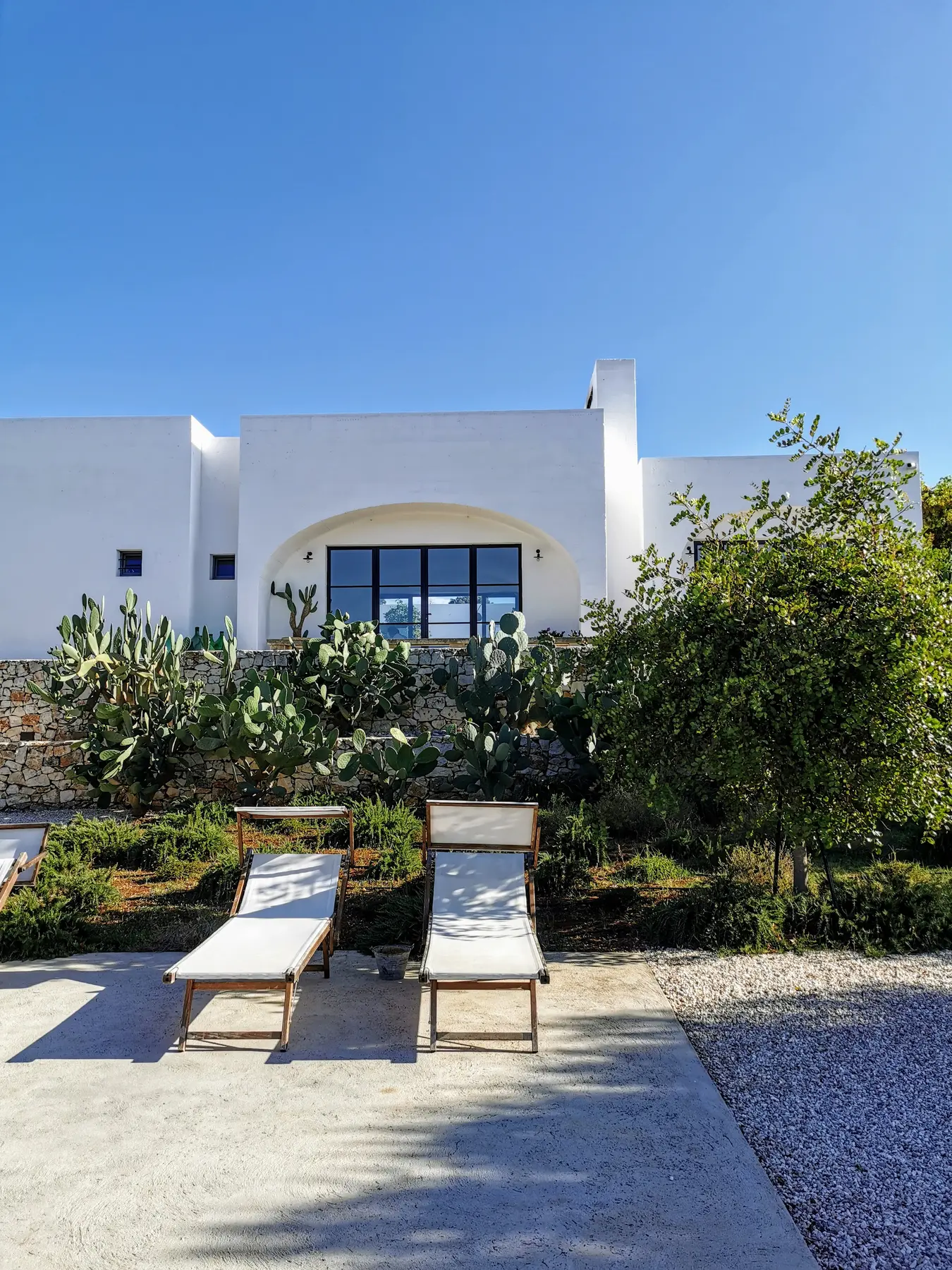
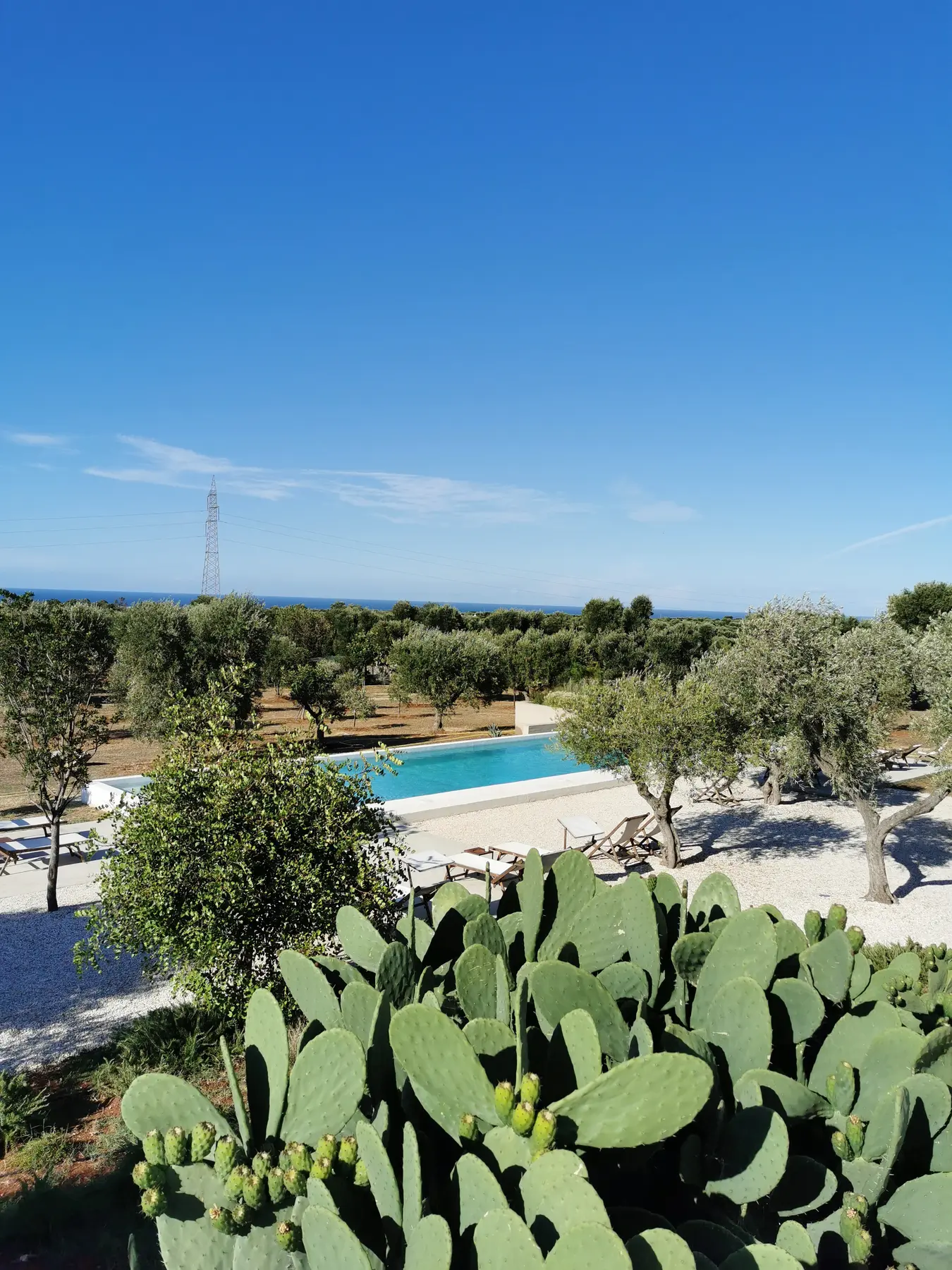
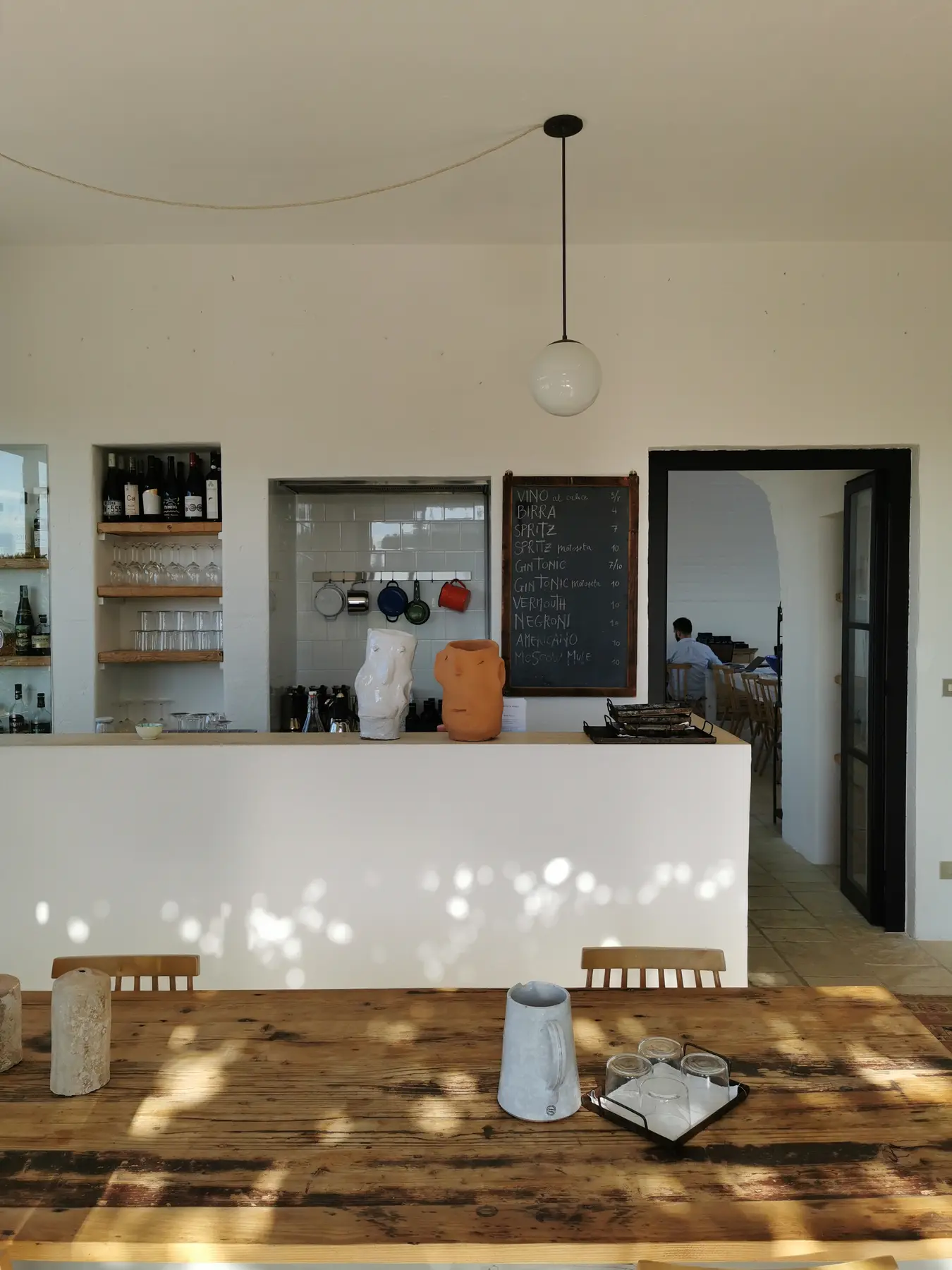
A contemporary masseria with six rooms and private gardens. White walls, an olive grove, organic oil and food that combines Puglian roots with ideas brought home from travel.
Official website ↗Savelletri · on our radar
Masseria Calderisi
A revived 17th-century farm amid eight hectares of olives, citrus, almonds and gardens. An address for sea and comfort without losing sight of the landscape.
Official website ↗Ostuni · architecture for six
Il Salto
A sensitively restored 1920s–30s lamia, extended without losing its stone character. Three bedrooms, terraces, an outdoor kitchen and pizza oven — closer to living in Puglia than staying in a hotel.
Official website ↗Questa casa non è un albergo
A palazzo that never behaves like a museum.
Palazzo Daniele stands in the centre of Gagliano del Capo. Its strength is not how much history it can display but how much space it gives that history to breathe. Frescoes, original floors and high ceilings are framed by restraint, exact furniture and contemporary art. The open kitchen is the real heart of the house: local growers bring the ingredients, menus follow the season and dinner feels closer to a family table than a hotel restaurant.
Palazzo Daniele ↗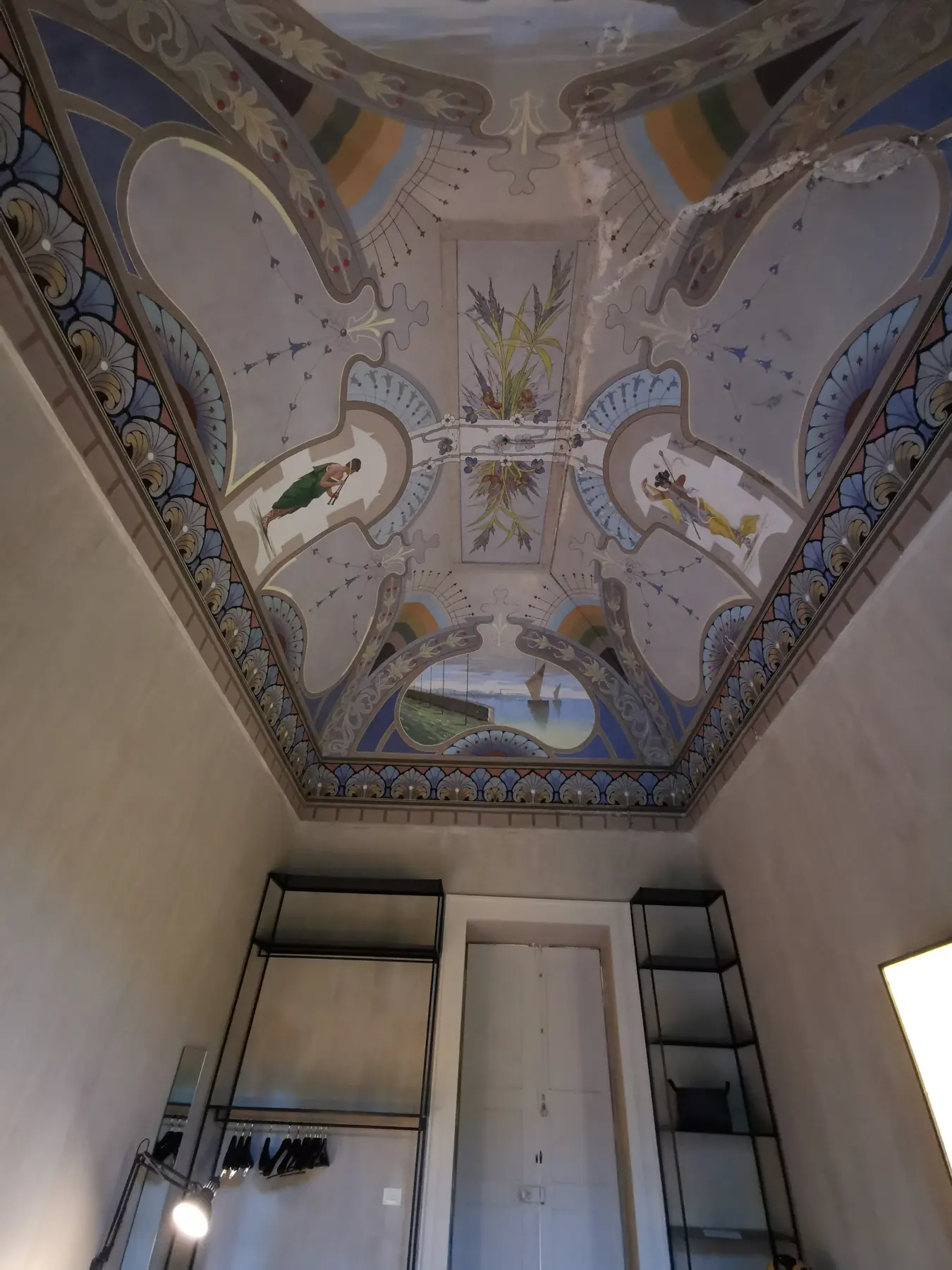
Four directions
Towns and coasts worth changing base for.
Puglia looks narrow on a map. On the road, one day for each part soon proves insufficient.
South · cliffs and sea
Gagliano, Leuca and Ciolo
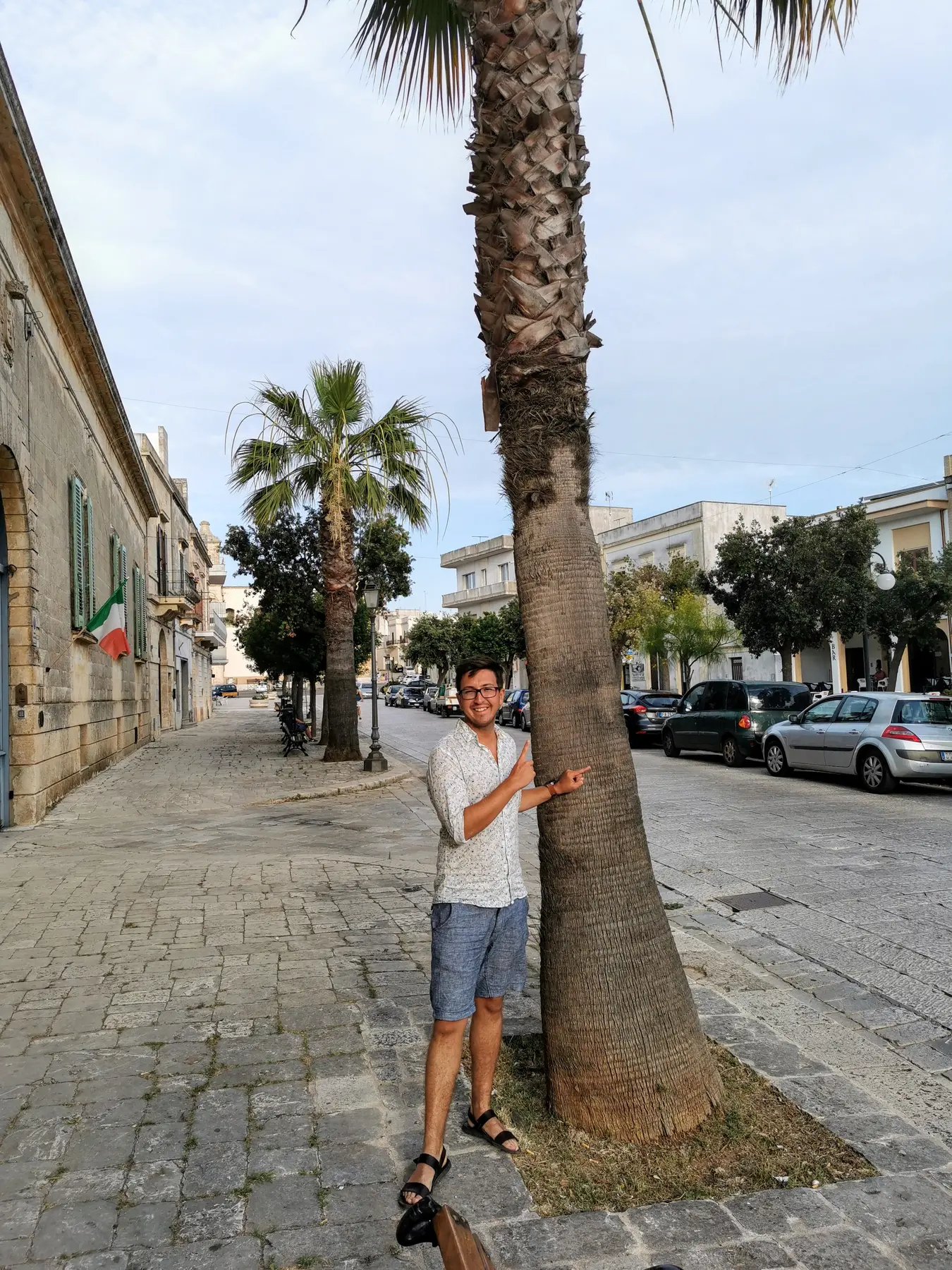
Begin slowly in Gagliano, descend to the Ciolo bridge and cove, then continue to Santa Maria di Leuca. The southern point is not the only destination; the coastal road is the story.
Adriatic · full day
Otranto and the east coast
Otranto in the morning for its cathedral and walls; a swim chosen by the wind in the afternoon. The rocky east often has water vivid enough to postpone lunch.
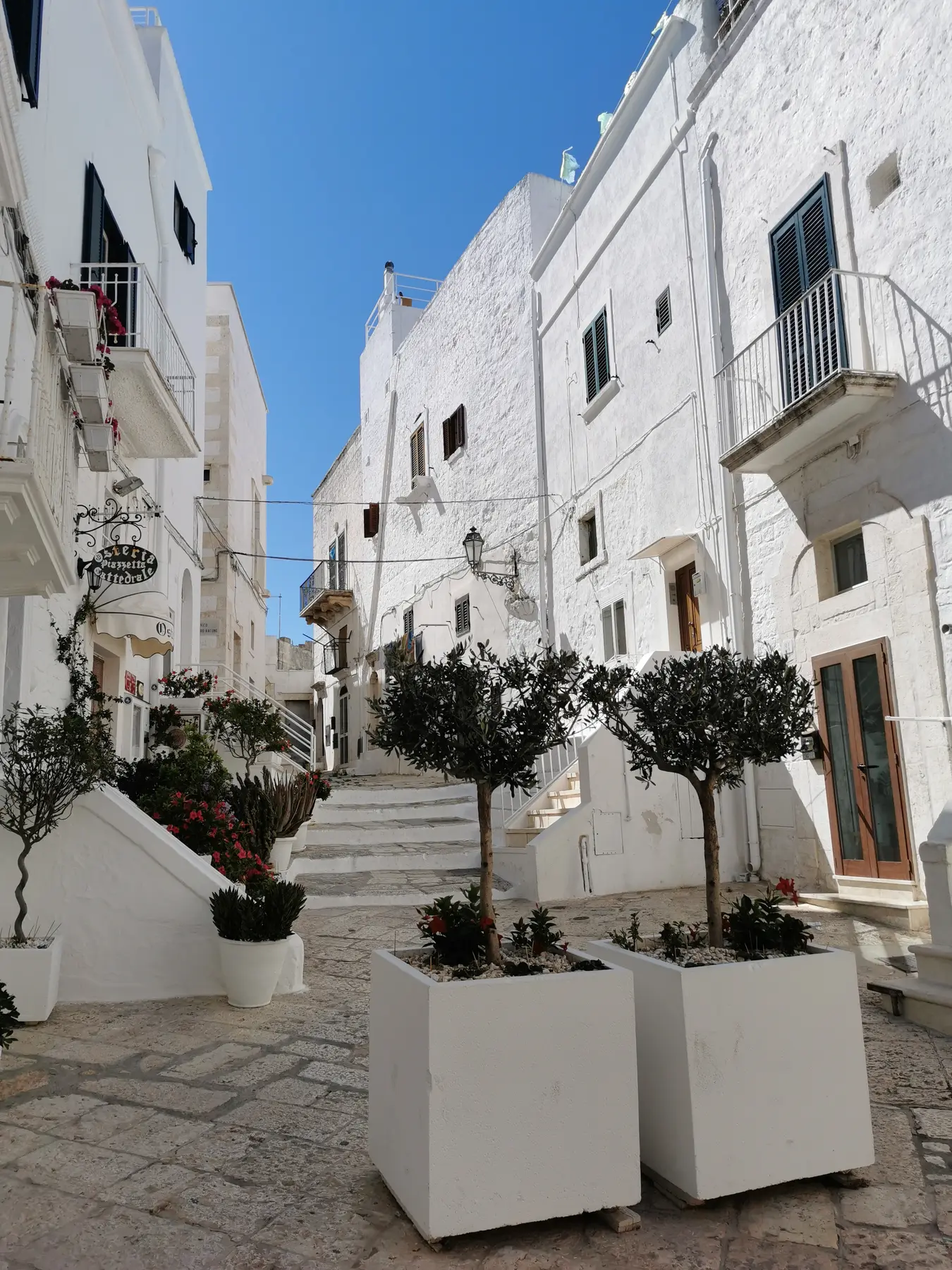
White towns · slow road
Ostuni and Valle d’Itria
Do not turn Ostuni, Cisternino, Locorotondo and Martina Franca into a race. Choose two, stop among the olive trees and leave enough time for dinner.
Baroque · evening
Lecce
Lecce is loveliest in late-afternoon light. Baroque façades, pietra leccese, small bars and a pasticciotto work better without the midday heat or a list of twenty monuments.
Puglia by bicycle
Olive-grove lanes and roads above the sea.
One of the loveliest stretches of the Ciclovia dell’Acquedotto Pugliese crosses Valle d’Itria along the old aqueduct. For an easier day connect Locorotondo, Cisternino and their contrade; in southern Salento use quieter roads between Gagliano, Leuca and the coast. Leave early in summer, carry more water than expected and confirm the surface — gravel or an e-bike often makes more sense than a pure road bike.
Official cycling routes ↗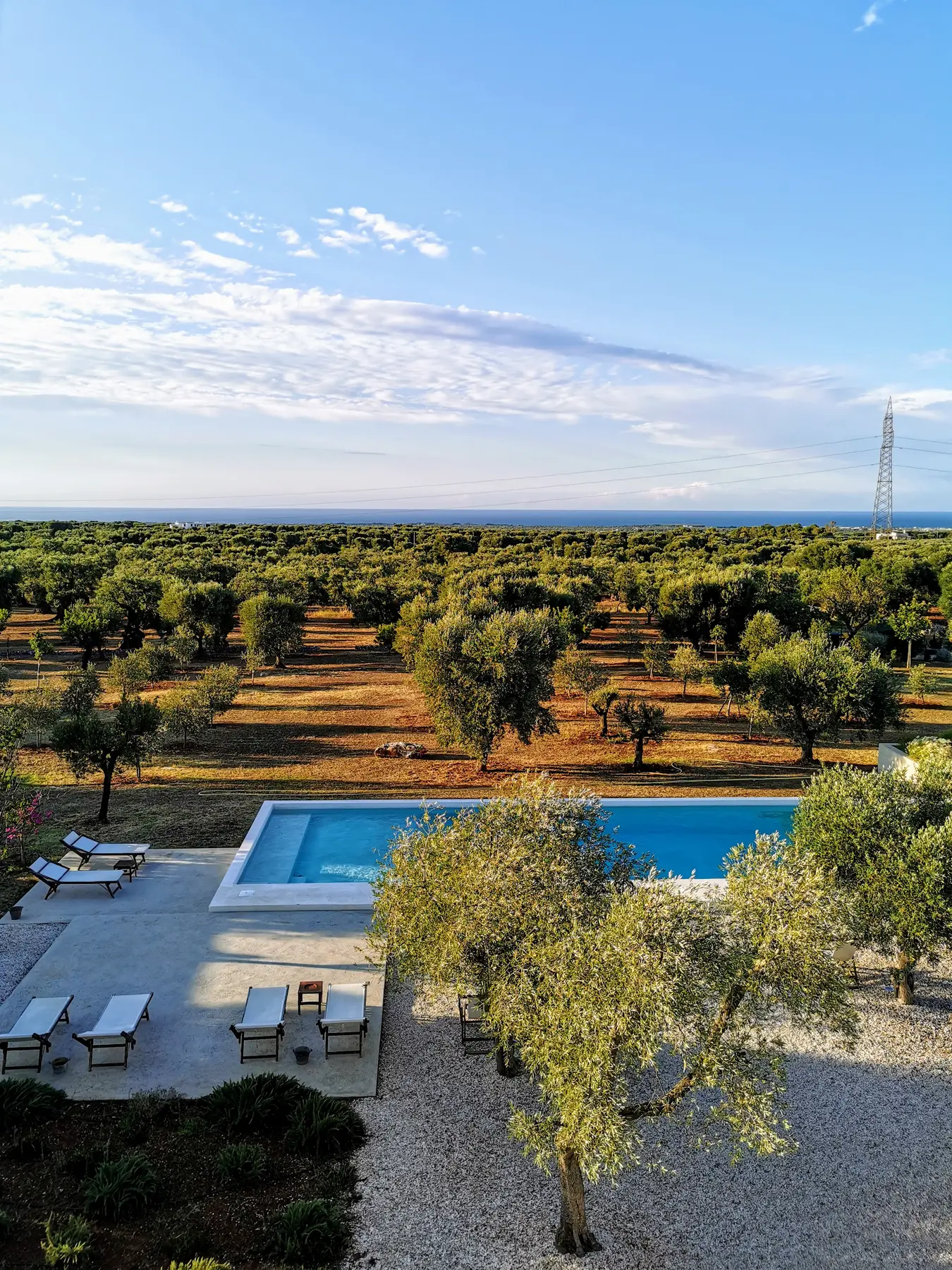
Puglia on the table
Orecchiette, seafood, vegetables and oil that needs no explanation.
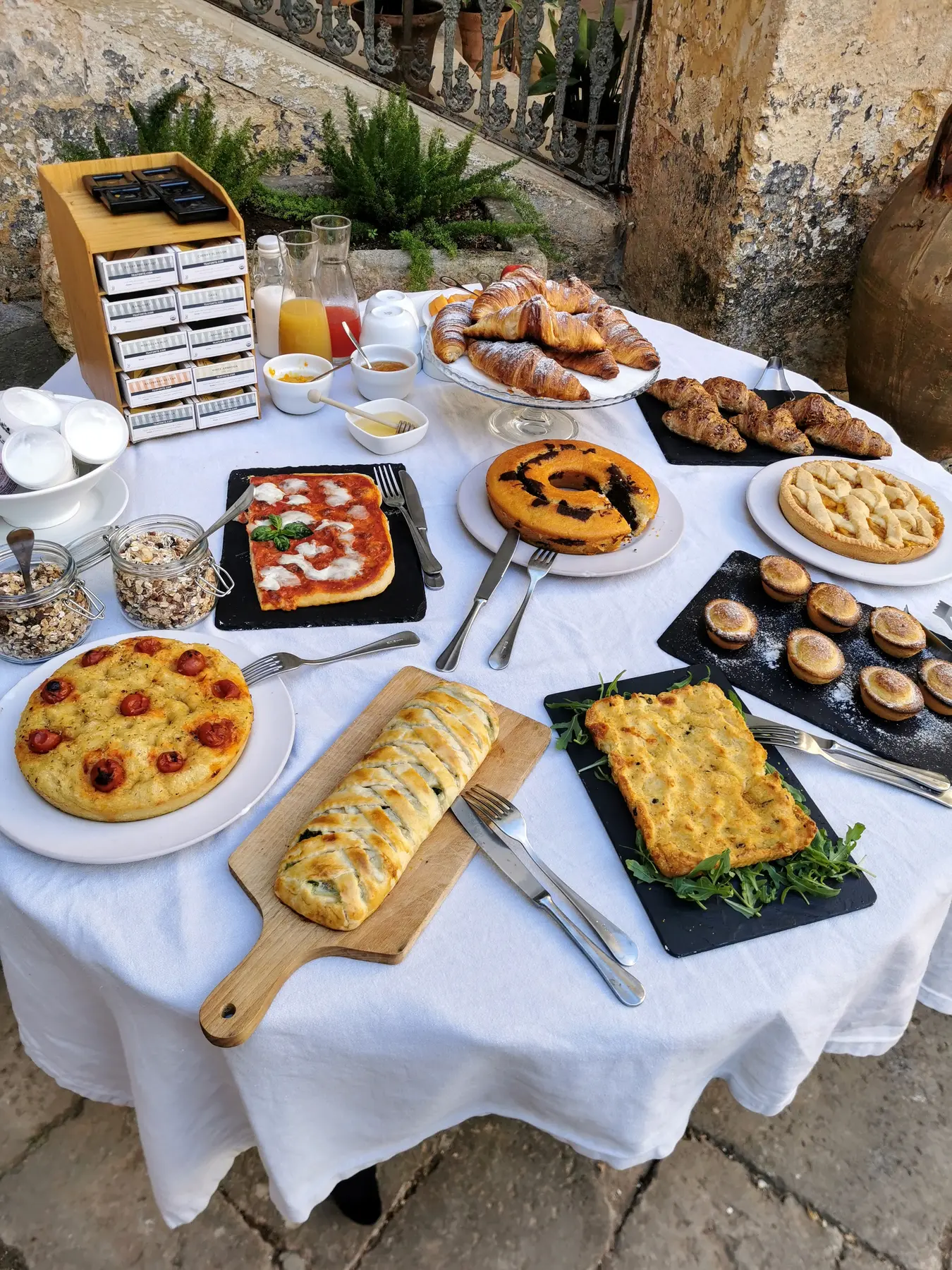
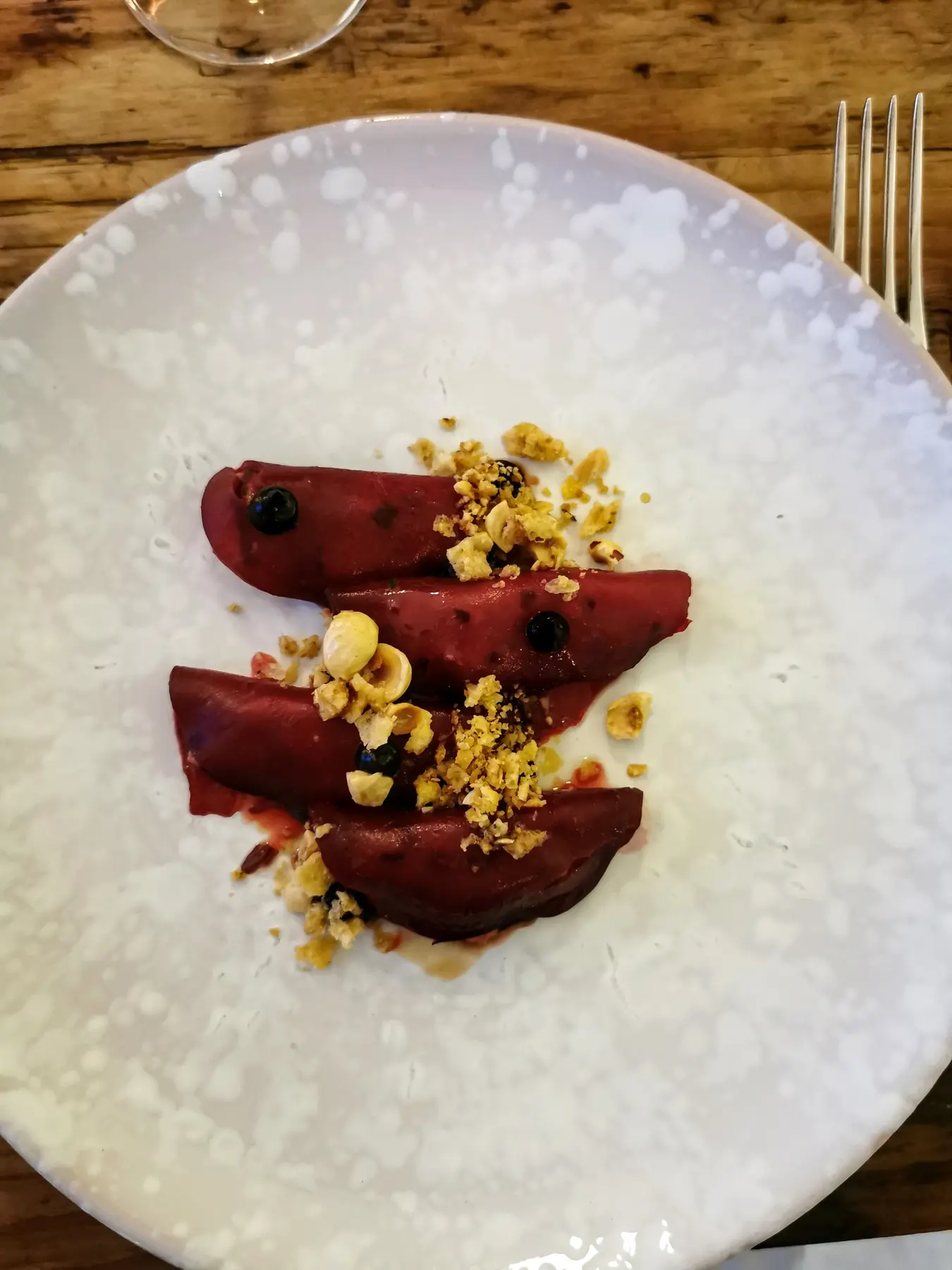
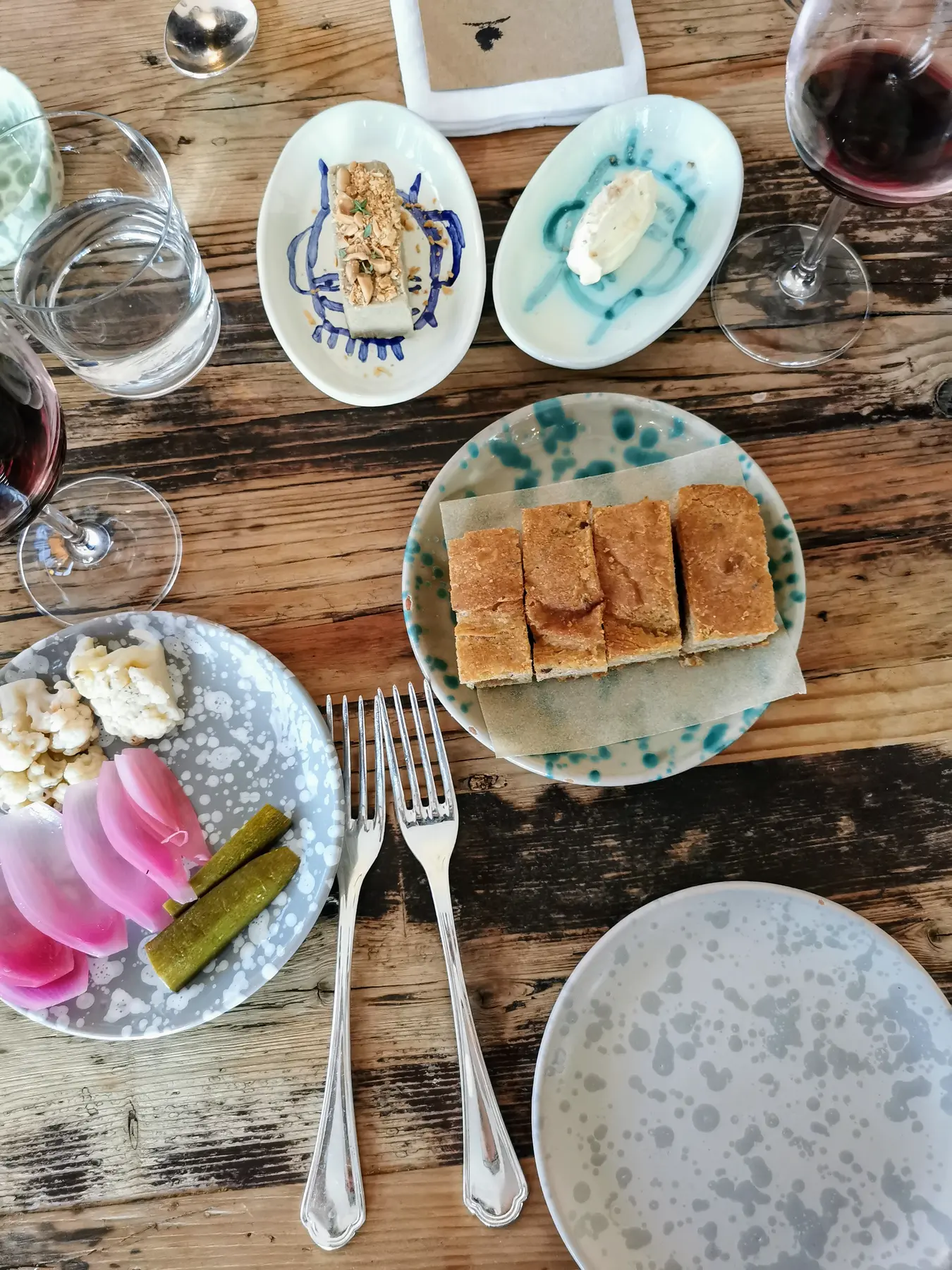
Look for orecchiette con cime di rapa, fave e cicorie, raw and grilled seafood, burrata, Valle d’Itria bombette and focaccia barese. Much of the best food is simple — which makes mediocre ingredients impossible to hide. Keep one dinner at Palazzo Daniele; at Moroseta follow the seasonal kitchen and current cooking classes. In Ostuni, Ceglie Messapica and Lecce choose according to the day and book before hunger arrives.
The photographs below come from our tables in Puglia. Where we are not completely certain of the exact address, we do not attach a restaurant name — a good recommendation should be precise, not merely impressive.
Before you go
Practical notes. A good direction still needs a good plan.
- Flights
- Bari for Valle d’Itria, Brindisi for Salento; combining arrival and departure airports can work well.
- Car
- Almost essential for this journey. Historic centres use ZTL restrictions — park outside and walk the final stretch.
- Bases
- Ideally 3–4 nights in Salento and 3–4 in Valle d’Itria.
- Season
- May, June, September and early October bring kinder temperatures and quieter roads.
- Sea
- Choose the coast according to the wind. When the Adriatic is rough, the Ionian side may be calm — and vice versa.
- Our tip
- Leave one day unreserved. Puglia rewards detours more than a perfect itinerary.
Where it is
Puglia
Salento · Valle d’Itria · Italy
Gagliano del Capo a Valle d’Itria, Puglia
Drawing the map…
The Good Direction verdict
A south that is more than summer. A way of living differently for a while.
We do not remember Puglia as a list of beaches. We remember cool stone in a palazzo, morning silence among olive trees, a white town on the horizon and food that never tried to be more important than the people at the table. That is why we want to return — each time to a slightly different Puglia.